---
title: Ultimate Guide to Construction Risk Management for Multi-Family Development
description: Unlock Accurate Cost Estimates Early in Your Multi-Family Housing Projects!
image: https://blog.jerocorp.com/hubfs/offer-featured-image_294719-1.png
---
[ Skip to Content ](https://jerocorp.com#page)
[ ](https://jerocorp.com/)
[ About ](https://jerocorp.com/about)
[ Projects ](https://jerocorp.com/projects)
[ Services ](https://jerocorp.com/services)
[ Blog ](https://blog.jerocorp.com?hsLang=en)
[ News + Media ](https://jerocorp.com/news-and-media)
Contact
[ General ](https://jerocorp.com/contact)
[ Subcontractor Bid List ](https://jerocorp.com/subcontractor-bid-list)
[Job Openings](https://jerocorp.comhttps://www.indeed.com/cmp/James-E-Roberts-Obayashi-Corp./jobs?clearPrefilter=1#cmp-skip-header-desktop)
Open Menu Close Menu
[ ](https://jerocorp.com/)
[ About ](https://jerocorp.com/about)
[ Projects ](https://jerocorp.com/projects)
[ Services ](https://jerocorp.com/services)
[ News + Media ](https://jerocorp.com/news-and-media)
Contact
[ General ](https://jerocorp.com/contact)
[ Subcontractor Bid List ](https://jerocorp.com/subcontractor-bid-list)
[Job Openings](https://jerocorp.comhttps://www.indeed.com/cmp/James-E-Roberts-Obayashi-Corp./jobs?clearPrefilter=1#cmp-skip-header-desktop)
Open Menu Close Menu
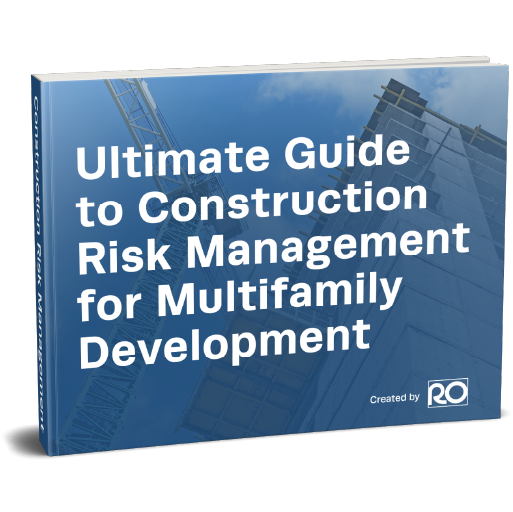
## Unlock Accurate Cost Estimates Early in Your Multi-Family Housing Projects!
### What's inside?
- How to develop reliable early budgets that reflect current market conditions and prevent scope gaps.
- Strategies for integrating subcontractor pricing and comparing materials to optimize costs.
- How to leverage detailed quantity surveys and up-to-date unit pricing for better project planning.
- Ways to reduce bid volatility and improve cost transparency to strengthen funding confidence.
- Best practices for supporting informed trade-offs and protecting project affordability from start to finish.
## Excerpt
Multi-family development in 2026 is becoming more complex, especially for[small and emerging developers](https://www.urban.org/research/publication/challenges-facing-small-or-emerging-multifamily-housing-developers-and). They often face many challenges, including rising material costs caused by shortages or inflation. A lack of skilled workers and new government regulations can also be frustrating.
Without a clear plan for construction risk management, these factors may cause your project to fail. Being unable to manage risk effectively also delays projects and leads to cost overruns. It hurts investor confidence and can damage your company's reputation.
Using advanced risk management strategies makes a project more predictable and helps ensure that you finish building on time without numerous change orders.
Choosing[James E. Roberts-Obayashi Corporation as your partner](https://www.jerocorp.com/about) is among the most effective ways to stay ahead of construction risks. With over ninety years of experience, its team focuses on ethical practices and aligns every project with the client's vision.
## Chapter 1: Financial Risk Management
Money is one of the biggest risks in construction. Many projects begin with a strong plan but struggle because of poor financial controls. Costs rise and budgets fall short. Funding gaps then slow down every task.
Most financial problems don't stem from one huge mistake, but rather from many small errors that add up. Your construction risk management strategy should start with having strict control over every dollar in your budget.
### Accurate Cost Estimating for Project Stability
Your multi-family development projects will be more stable if you know exactly how much everything will cost. Avoid using rough figures because they're often wrong.
Work with your team to perform a detailed quantity survey. Let every expert review the plans and count every item needed. Come up with a detailed plan for how you'll use things like:
- Construction systems
- Labor
- Equipment
- Materials
The cost of construction materials fluctuates frequently due to inflation. As a developer, you must use[real-time pricing](https://www.mccrackenalliance.com/blog/dynamic-pricing-101-how-real-time-pricing-drives-revenue) data to ensure that your estimates are up to date. If you base your budget on last year's prices, it will be inaccurate.
Using historical data from past projects, you can identify where costs typically increase. This information helps you identify potential funding gaps before they happen. Accurate estimating also ensures that you request a sufficient loan amount based on the scope of work.
Many developers overlook the value of cost estimating. When you have accurate figures, you can spot cost-saving opportunities early. James E. Roberts-Obayashi Corporation helps you manage risks by providing detailed cost estimates aligned with your project goals. Its experts make it easy to avoid large gaps between your expected costs and your final expenses.
### Value Engineering for Smarter Project Decisions
Value engineering involves finding the best value for every dollar that you spend on your multi-family development project. You get to compare several options instead of picking the first solution that you think of. When conducting value engineering, ask these questions:
- Which option costs less up front?
- What materials will give me more value for money?
- Is there a material that I can use to reduce future maintenance needs?
You should work with your architects and other contractors to review design options. Ask for their input on balancing cost and quality. Ensure that you don't invest in cheap materials up front only to end up spending more later.
Value engineering enables you to balance cost and performance. With James E. Roberts-Obayashi Corporation, you'll conduct thorough comparisons and reduce unnecessary spending. Its team will also recommend durable options that won't compromise the building's quality.
### Budget Tracking and Cost Control
Even the best plan won't help if you don't track it. As your project moves forward, costs will change. Set a firm baseline budget as your master plan before you break ground. Then, monitor your spending throughout the[project life cycle](https://instituteprojectmanagement.com/blog/project-life-cycle/). It's also crucial to track your soft costs, such as:
- Legal fees
- Permits
- Designing fees
Tracking each stage of your project and every cost, no matter how minor, helps you stay in control. By regularly checking your budget, you spot risks before they become major problems. If one part costs more than you expected, you can investigate the cause and fix it immediately.
You'll eventually be able to keep your project predictable and ensure that your investors feel confident in the original plan.
### Planning for the Unexpected With Contingency Strategies
Unpleasant surprises are common in multi-family development. A storm could cause you to stop work for days. A key supplier might run out of materials, requiring you to start looking for another vendor. Instead of ignoring these situations or hoping that they don't come up, prepare for them.
A strong construction risk management plan always includes contingency strategies. Create a reliable backup plan, and set aside extra money for unexpected issues. Doing so gives you room to adjust without losing control of your project.
Most developers set aside about 5% to 10% of their total budget for these situations. The extra funding helps cover delays and price increases. Without it, even a small issue can create serious financial stress. Having answers to these questions will help you create the best contingency plan:
- What happens if a supplier can't deliver materials on time?
- Do I have a second vendor ready for each critical item?
- What will I do if the weather delays my schedule?
- How will my team respond to labor shortages?
You should always build flexibility into your schedule. Add buffer time between major tasks to prevent delays from affecting the entire project. Even a few extra days in key areas can make a big difference. Ensure that your team understands the contingency plan. Let everyone know what steps to take when specific issues arise.
James E. Roberts-Obayashi Corporation supports contingency planning by helping you prepare for risks early. Its experts work with you to identify possible challenges and develop practical backup strategies. A proactive approach reduces stress and keeps your project stable.
## Chapter 2: Planning, Design, and Pre-Construction Risk Management
The choices that you make at the start of your project have the biggest impact on your success. During the pre-construction phase, you have greater room to manage risks. You can make changes before you start building, and you won't spend as much money doing so. Sticking to a poor plan isn't a good idea because it will lead to expensive redesigns and delays.
### Design Efficiency and Constructability Reviews
A[cost-effective building design](https://construction-today.com/news/top-8-cost-efficient-construction-methods-for-your-next-project/) should also be practical and easy to build. During a constructability review, experts analyze drawings to determine whether they'll work on a real job site. Taking this step early enables contractors to suggest changes and streamline the building process. Suggestions that they can make may be as simple as:
- Standardizing the size of windows to lower costs
- Moving pipes so they don't interfere with the building's structure
- Simplifying roof designs to reduce labor time
- Reducing material waste through smarter measurements
- Using repeatable design elements across units to save time
When you focus on design efficiency, you reduce confusion during implementation. Your team and contractors will enjoy a smoother workflow on-site. Avoiding mistakes helps keep your project on schedule and on budget.
### Plan Check and Specification Reviews
Errors in architectural drawings are common causes of change orders. While plan checks may seem like extra work, they save you time and money. Always conduct a sheet-by-sheet review of every drawing. The goal is to ensure that the plumbing, electrical, and structural plans all work together.
If a pipe is supposed to pass through a location where a steel beam is, it will cause a clash. Catching this on paper costs nothing; detecting it during construction will most likely lead to higher building costs.
James E. Roberts-Obayashi Corporation uses a[detailed plan check](https://www.jerocorp.com/services) process to identify such errors before bidding begins. Its process helps you achieve operational efficiency and leads to more accurate pricing. Work with our team to avoid unpleasant and costly surprises during construction.
### Consultant Selection and Integrated Team Building
The people whom you hire, such as your architects and engineers, are crucial to your risk plan. If you pick consultants based only on the lowest price, you're likely making a mistake. Lower expenses up front can lead to design errors or costly changes during construction.
You should choose partners with extensive experience in multi-family projects. Such consultants understand common challenges and know how to avoid them. They can spot issues at the start and suggest better solutions before work begins.
Bring your team together early by having meetings during the planning stage. Allow everyone to share ideas and align on goals. Architects, engineers, and contractors can work through details prior to construction. The teamwork eventually reduces the risk of conflicts.
The experts at James E. Roberts-Obayashi Corporation have collaborated on many projects. The shared experience enables them to communicate more clearly and avoid errors. By aligning your team, you can ensure that everyone understands the project clearly, which gives it a stronger foundation.
## Chapter 3: Construction Phase Risk Control
Factors beyond your control, like inflation and labor shortages, can put your project at risk. Their unpredictability requires strong oversight to avoid delays. Prioritize risk management, as it's critical once construction begins.
### Construction Scheduling and Timeline Management
Every day that you encounter delays in multi-family development costs money. You won't be collecting rent, and you might still be paying interest on loans.
A clear schedule helps you stay organized. It informs everyone on your team what needs to happen during a specific timeline and what their roles are during that period. It also enables you to allocate your resources better and manage expectations.
As a developer, you should have a critical path to help you plan your work. Tools like [Primavera ](https://www.oracle.com/construction-engineering/primavera-p6/)offer features to manage your schedule with less paperwork. However, you still need to update your plan regularly.
Partnering with James E. Roberts-Obayashi Corporation enables you to leverage innovative planning tools. Its experts create weekly plans for all your work and update them as needed. Their assistance is crucial in ensuring that everyone on your team keeps track of deadlines. Tracking every task as it happens on site helps you achieve timely completion.
### Self-Performed Work for Greater Control
When you rely on outside subcontractors, you're often at the mercy of their labor pool and their other projects. If their best crew is tied up across town, your project might stall. Choosing self-performed work lets you avoid such issues
With a partner like James E. Roberts-Obayashi Corporation, you'll get professional guidance on choosing subcontractors to add to your team. It helps you gain more control over the schedule with the best experts. You don't have to wait for another company to set priorities for you. Choosing self-performed work has these additional benefits:
- Better control over the quality of the building
- More accurate scheduling for different tasks
- Greater flexibility
Having direct oversight is the best way to ensure that the multi-family homes that you construct meet your exact standards.
## Chapter 4: Stakeholder and Team Collaboration
Construction projects require competent teams to succeed. If your crews and contractors don't communicate effectively, you'll deal with conflict and blame games. Minor mistakes can lead to costly secondary issues if those in charge miss them until it's too late.
### Leverage Team Collaboration
Effective construction risk management requires everyone to think of themselves as part of a team. Instead of blaming someone when a problem arises, a collaborative team works together to find a solution. You need to work closely with everyone involved in your project, including:
- Architects
- Contractors
- Consultants
- Stakeholders
When each shares information openly, they can make decisions more quickly. Collaboration avoids recurring mistakes and ensures that everyone works toward the same goal.
### Implement Ethical Standards and Transparent Communication
Trust is vital on a construction site. By adhering to high[ethical standards](https://www.hrfuture.net/strategy-operations/legal-labour-law-compliance/understanding-ethical-principles-in-construction-an-hr-professionals-guide/), you ensure that all your partners are treated fairly. A fair bidding process for your subcontractors leads to more honest pricing. Use these tips to encourage transparency:
- Be honest about challenges.
- Share project updates regularly with all stakeholders.
- Explain changes in the scope or schedule.
- Hold regular meetings to review progress and risk.
Clear communication helps you prevent small disagreements from turning into legal problems. When you're honest and have strong core values, you encourage accountability.
## Chapter 5: Sustainability and Environmental Risk Management
Environmental factors are major concerns for many developers across California. You need to think about how your project affects the environment. It's also crucial to follow strict regulations. If you don't address sustainability-related construction risk management, your project could face costly fines.
### Sustainable Building Practices
Building sustainably is a smart long-term move. Many governments now require buildings to use less energy. By planning for these rules at the start, you'll avoid costly changes later in the project.
Think about sustainability during the design phase. Look at how the building will use energy, water, and materials. Small choices at this stage can make a big difference, including:
- Better insulation
- Energy-efficient windows
- Sustainable materials
- [Passive solar designs](https://www.energy.gov/energysaver/passive-solar-homes)
You should also explore green materials. These include recycled products, low-emission finishes, and durable materials. These options may qualify your project for tax incentives or rebates, so you'll be able to lower your overall costs.
Energy-efficient buildings benefit developers and residents. Lower operating costs lead to greater savings in the long run. Many renters today also prefer eco-friendly spaces. Adopting sustainable building practices will therefore make your property more attractive and easier to lease.
James E. Roberts-Obayashi Corporation doesn't treat sustainability as an afterthought. Its LEED AP- and GreenPoint-certified professionals work closely with you to review materials and building methods. With their assistance, you can make smarter, greener decisions.
### Hazardous Materials Management
When building on certain sites, you might encounter [hazardous materials](http://www.osha.gov/chemical-hazards), such as asbestos or lead. These can be dangerous if not handled properly. You need to identify these risks as early as possible, ideally before you even purchase the land.
Conduct proper due diligence for each multi-family development project. Hire experts to do environmental site assessments and test the soil or existing structures. These steps help you understand what you're dealing with before construction begins. If experts find hazards, create a clear plan to remove or manage them safely.
Include safe removal or containment early in your schedule. If you wait too long, these steps can delay your project and increase costs. You should also ensure that workers use proper protective equipment and follow safety procedures at all times.
Working with environmental consultants is vital for construction risk management. These experts know how to assess risks and recommend the best solutions. They can guide you through the process and ensure that your project complies with all safety rules. Their expertise protects your workers and helps you avoid future legal problems.
James E. Roberts-Obayashi Corporation values safety and efficiency in hazardous materials management. Its team works closely with environmental specialists to find the most cost-effective and compliant solutions.
## Navigate Construction Risk Management by Partnering With James E. Roberts-Obayashi Corporation
Multi-family development is becoming more complex, and risks continue to increase. Without a strong approach to construction risk management, even a well-funded project can struggle. Avoid delays and poor coordination by ensuring that your team is on the same page before construction begins.
Encourage collaboration and transparency to avoid rework in the future. Protect your funding viability by basing your estimates on real data.
*Discover how James E. Roberts-Obayashi Corporation’s cost-estimating solution can transform your development process by providing reliable, market-aligned budgets from the earliest stages. With enhanced cost transparency and proactive risk management, you can safeguard your project’s financial health and build confidence with funders and stakeholders. *[*Contact us today*](https://www.jerocorp.com/contact)* to learn more about how we can support your affordable housing initiatives and help you deliver successful, budget-conscious projects.*
[Privacy](https://jerocorop.com/privacy) [Contact](https://jerocorp.com/contact)
© 2025 James E. Roberts-Obayashi Corporation
CLSB License #358519
(Jerocorp does not sell or share any information from site visitors.)